“Weapons are an important factor in war, but not the decisive factor; it is people, not things that are decisive. The contest of strength is not only a contest of military and economic power, but also a contest of human power and morale. People necessarily wield military and economic power.”
-Chairman Mao, On Protracted War, May 1958
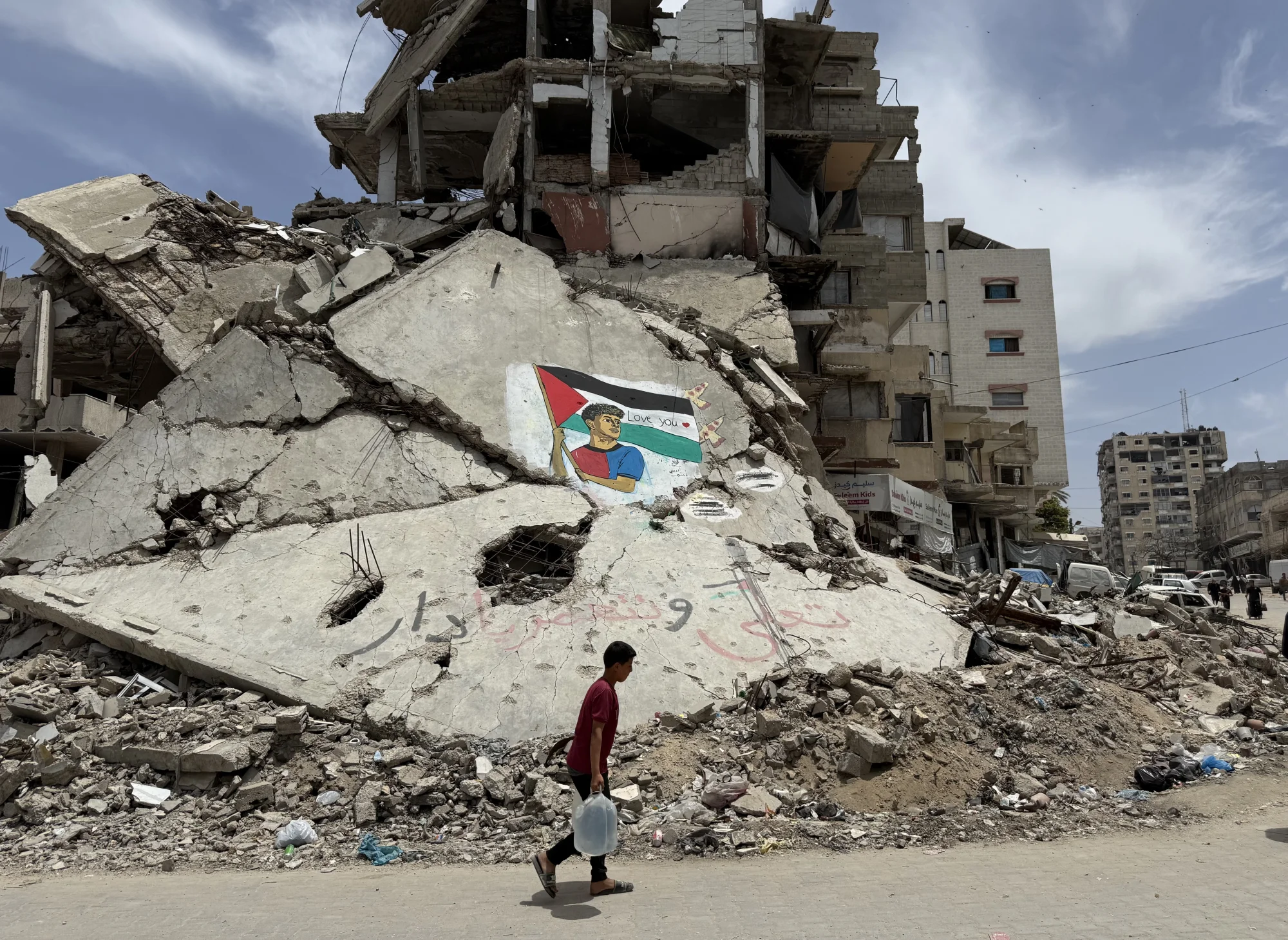
In the years since the war in Donbas evolved into the ‘Special Military Operation,’ or SMO, with the invasion of greater Ukraine in 2021, and particularly since Hamas and its partners in the Axis of Resistance launched Operation Al-Aqsa Flood, confronting Zionist power in the region, the terrain of the battlefield has changed dramatically. The opening days of the SMO and the years of grimy skirmishes that preceded it began with battles for small tracts of land, fought primarily with artillery shells, in trenches, and utilizing anti-armor munitions. Even as these traits remain, the evolution of these battlefronts has given way to emerging technologies, such as mass-produced drones, as weapons of war with increasing significance.
Advanced combat models, satellite targeting, GPS, and internet access have all been important assets in modern forms of warfare; however, the most effectual developments to counter air defense systems, armored columns, and supply lines have been the drone and the missile. These two battlefield weapons, featured in the arsenal of the Axis of Resistance, in addition to their heavy use in the Russo-Ukrainian war, demonstrate that it is not multimillion-dollar fighter jets, armored personnel carriers, or main battle tanks that enable warfare victories in the 21st century, but the ability to thoughtfully and economically utilize weapons, including the most powerful weapon of all, the masses, to put significant pressure on superior armed and resourced opponents.
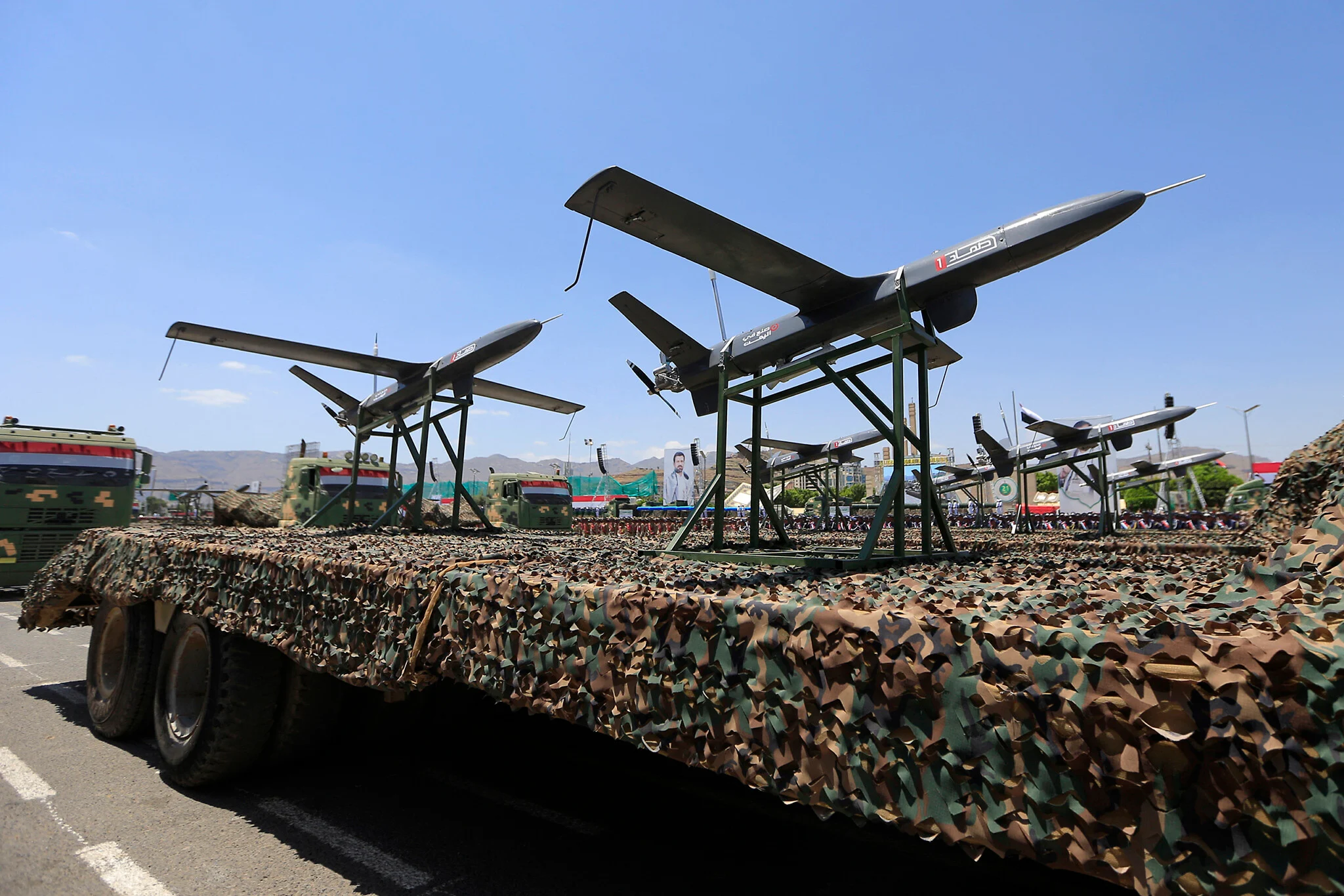
Higher-cost versions of missiles and drones are produced; however, consumer-grade mass-produced drones, popularized from Ukraine and Yemen to Myanmar and Latin America, have become terrifying weapons with an enormous capacity for modification and specialization. The adaptability, surveillance capability, and maneuverability of even the most basic remote-controlled drone were privileges that were previously reserved for the most advanced forces. Now, for the price of a drone kit and some know-how, it is relatively simple to attach a clutch that can drop a package on command from a drone with a visual live feed, providing air control at a fraction of the cost to conventional militaries.
While missiles are more complicated and require more infrastructure, the use of rockets and missiles by forces with few resources and little privacy, such as those fired by Hamas from the Gaza Strip, is quite simple to fashion and fire. Guerrilla forces across the world make extensive use of simple rocket tubes and missiles, challenging air defenses of all sorts with the situationally appropriate combination of forces. These elements obviously change a great deal in cost and complexity depending on the scale of their use, but the advances made in the commercial sector and baseline consumer models have created a situation where the basic principles of the use of these weapons remain intact whether used by a national liberation army operating at state scale and targeting an imperialist power’s economic centers, such as Ansar Allah’s firing on Saudi oil fields, or bands of guerrilla fighters hiding in the jungles and targeting a police station or army barracks.

One of the most well-documented and least discussed usages of the first-person-view, or FPV, drone comes from the Kachin Independence Army and Anti-Fascist International Front in Myanmar, which use FPV drones to strike Military Junta forces and installations regularly, using the recordings as war propaganda, showcasing capabilities for high-value targeting without the superior equipment of the Tatmadaw military dictatorship.
While the proliferation of mass consumer technologies has certainly served as a vector of alienation and capitalist ideology, it has also made widely available capabilities that were once the province of expensive and bespoke machines like tanks and fighter jets. Now, mail-order components and personal recreation items like cheap plastic drones or dirt bikes have enabled a mass marketization of diverse strike capability for those with the motivation and knowledge to do so. In this way, as in so many others, the capitalist class produces, above all, its own gravediggers.
The capabilities for battlefield surveillance, targeted strikes, and stealth operations are now open to those with fewer resources than ever before; on the other hand, the potential costs of highly complex and expensive military machines across the battlefield become ever greater. The battlefields of Ukraine, Lebanon, and Yemen are littered with the burnt-out husks of million-dollar weapons of war, burnt to a crisp by missiles and drones that were produced cost-effectively and at vastly greater scale. The terrain of the battlefield is changing, and the established military powers of the world have shown in their failure that those unable to accommodate this new reality will be ruined by it.
[Image Source: Drones displayed during an official Ansar Allah military parade in Sana’a, September 2023, Mohammed Huwais]