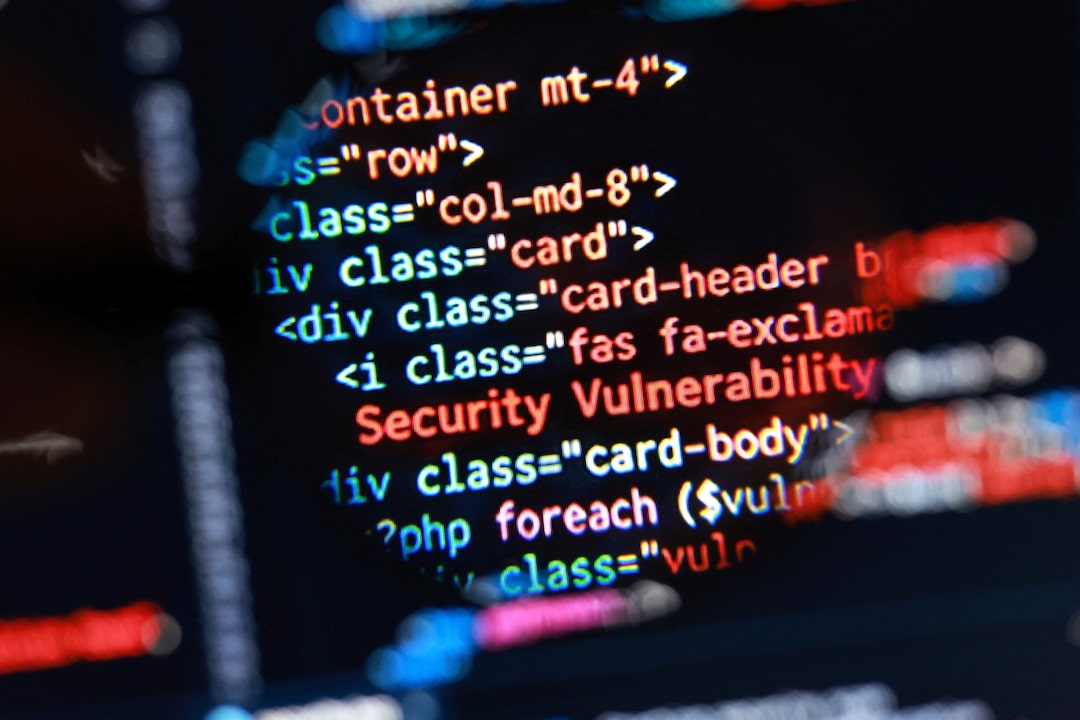
WORLD – On October 19, the developers of PHP, a programming language that is used in up to 70% of websites, released a patch fixing a critical security flaw that could have allowed attackers to execute code on the websites’ servers. This is one of the most dangerous in a series of major vulnerabilities discovered this year. These security threats are only one part of a larger trend of software panics, also including hacks and outages of widely used tech infrastructure, a cycle that shows no signs of slowing.
The vulnerability in PHP had been in the code for decades, meaning that even websites using very old versions of the language had to scramble to protect their systems. That has been the case for many recent security threats: a flaw can sit in the code without issues for decades, but once the fix is rolled out, actors scramble to exploit the issue before it’s patched on everyone’s systems. More of these longstanding vulnerabilities are being detected with the use of LLMs, both by researchers and by hackers. In this case, the issue was caught before any known exploits occurred, but that isn’t always the case; earlier this year, a Dutch cybersecurity nonprofit was compromised using an LLM system and found the exploited vulnerabilities in its helpdesk software during its investigation.
In these conditions, the digital arms race between security researchers and those seeking to exploit flaws has exploded into an array of indistinguishable startups selling “AI-powered” security solutions, tens of thousands of vulnerabilities in software, programming languages, and libraries, and hundreds of cyberattacks, including LLM-assisted impersonation and phishing.
However, several of the major incidents this year have had no known “AI” involvement, and many of the most disruptive outages of important systems this year have not been related to security incidents. Though more details are still being released, the recent FAA outage that grounded thousands of flights appears to be the result of a poorly planned and tested hardware upgrade that did not have sufficient contingencies in place. The recent outage of Microsoft services was caused by a combination of simultaneous server, networking, and software issues.
LLMs are a major cause of these issues, both on the security side and in their use by developers, where they can lead to software that is buggy, bloated, and incoherent, making it exponentially more difficult to maintain over time. But LLMs are also, like the instability we are seeing in unrelated systems, a symptom of the form that software development has taken over the last decade or so under capitalism. The process of developing software has been abstracted and compressed by an industry that thinks only of more output and more profits, leading to historic accumulations of technical debt, despecialized and deskilled engineers, and increasingly more software built on top of a massive, disorganized system of open-source libraries, making it hard to maintain and vulnerable to supply chain attacks. In short, many of these systems are breaking because building expertise is expensive and maintenance doesn’t pay.
Even in a system where specialists are allowed to put their full attention into building stable, sustainable software, there would be bugs to fix, and technological advancements would require corresponding advancements in security. Under capitalism, these issues are allowed to compound, often being fixed only when they reach a moment of crisis, and imperialism stokes the antagonisms that make cybersecurity so high-stakes in the first place. The only way we will escape the constant cycle of IT crises and get reliable software that isn’t made worse on purpose is by ending capitalism.
[Image Source: October 22, 2026, REUTERS/Dado Ruvic/Illustration]