CHITTAGONG, Bangladesh — Around 5:00pm on November 4, three members of the Revolutionary Workers Movement, or RWM, were arrested while hanging posters in the Export Processing Zone of Chittagong, expressing their support for the developing movement of garment workers there, which is centered around the demand for a 30,000 taka ($241) minimum wage. The current average rate is 12,500.
The garment industry in Bangladesh is massive and employs 4 million people, mostly women originally from rural areas. The industry generates 4 billion dollars a year for the country and represents 80% of export earnings. Consequently, it the second largest garment exporter in the world, following social-imperialist China.
Beginning in the final days of October, 2026, the garment workers movement staged strikes and protests throughout the country resulting in fights with the police, who used tear gas and stun grenades against them. These attacks by enemies of the workers resulted in the death on November 3, of Toufiq Hossain who was beaten to death by strikebreakers. The masses were not easily dissuaded by the State’s formation of a six-person Minimum Wage Board on November 3 which delayed the announcement of any decision until December. The combined actions of this movement resulted in the closure of 690 garment factories in the country (of which there are 2,500), as of November 2. In Dhaka, police reported that 36 in total were arrested.
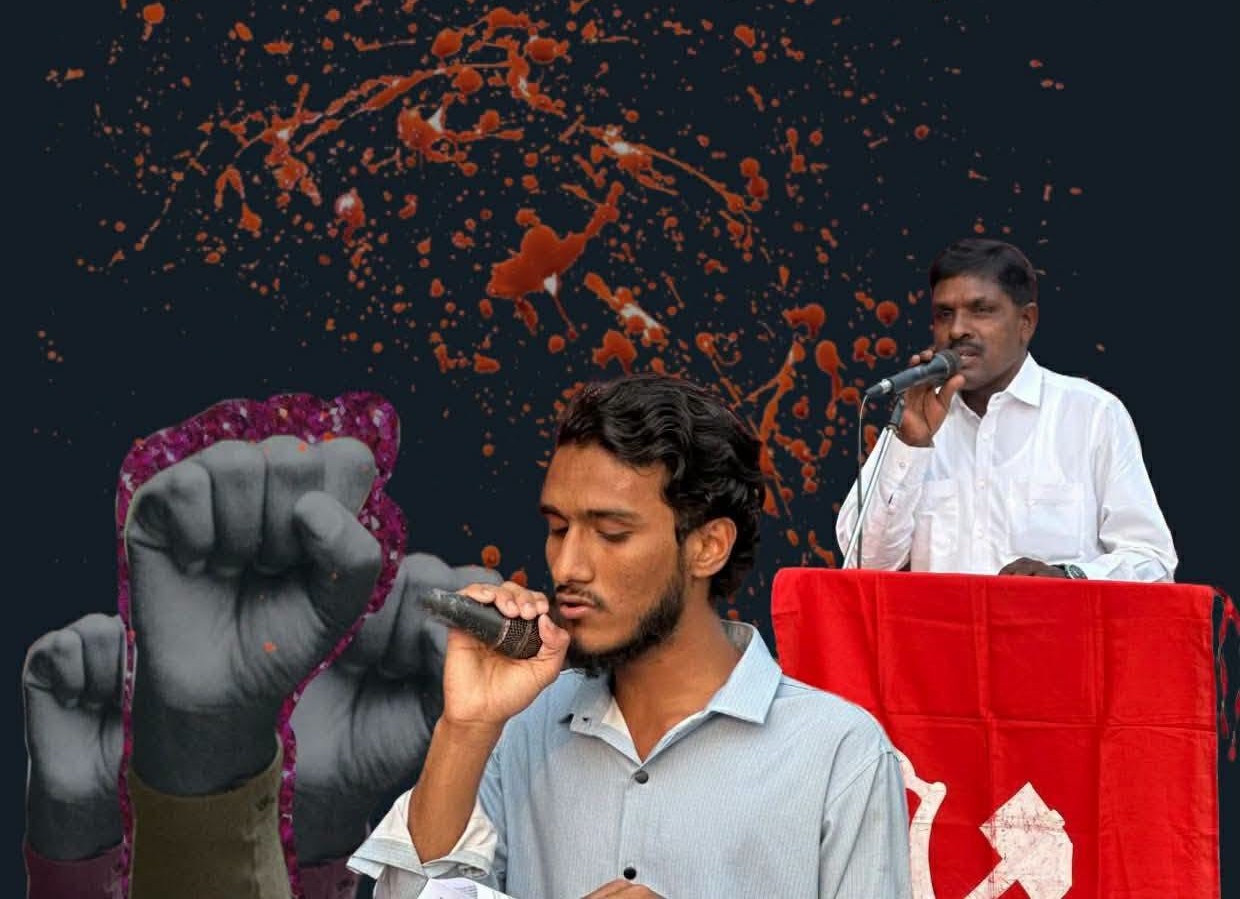
The three RY-SM/RWM arrestees were Rakib Uddin, president of the local metropolitan branch of the Revolutionary Workers Movement; Zahid, the vice-president of the local metropolitan branch of the Revolutionary Student-Youth Movement (RS-YM); and Shanto, a member of the RS-YM.
The RS-YM immediately raised the demand for their release, which was echoed by internationalist revolutionaries the world over:
“Release our comrades unconditionally!”
They also demanded that:
“All detainees in the ongoing Garments Workers Movement must be unconditionally released!”
While the activists arrested on November 4 have been released, garment workers associated with the movement remain in custody.
In their agitation around the arrests, the RS-YM correctly assessed the attacks by the Bangladesh Nationalist Party and its police to be of a terrorist nature, meant as a means of suppressing the just struggle of not only the targeted activists and garment workers, but those who would sympathize with and support them.
The experience of these revolutionary activists in Bangladesh informs comrades abroad as to the method of organization for the defense of political prisoners. This method reminds all those combating repression that in the course of the vigorous struggle to support and free recent arrestees, such as activists arrested for their activity in support of Palestinian liberation and particularly the Michigan 12, attention and focus must be centered also on the basic masses of the movement who suffer at the hands of the same repression.
Within the heritage of the International Communist Movement immense efforts such as the International Labor Defense and International Red Aid serve as instructive examples of non-sectarian defense to all types of people repressed in the course of labor or other social organizing. Although these organizations focused on particular cases as is necessary, their scope was incredibly broad “to assist in the creation of organizations to render material and moral aid to all captives of capitalism in prison.”
Free the Michigan 12!
Free the Garment Workers of Chittagong!
Free all Captives of Capitalism in Prison!