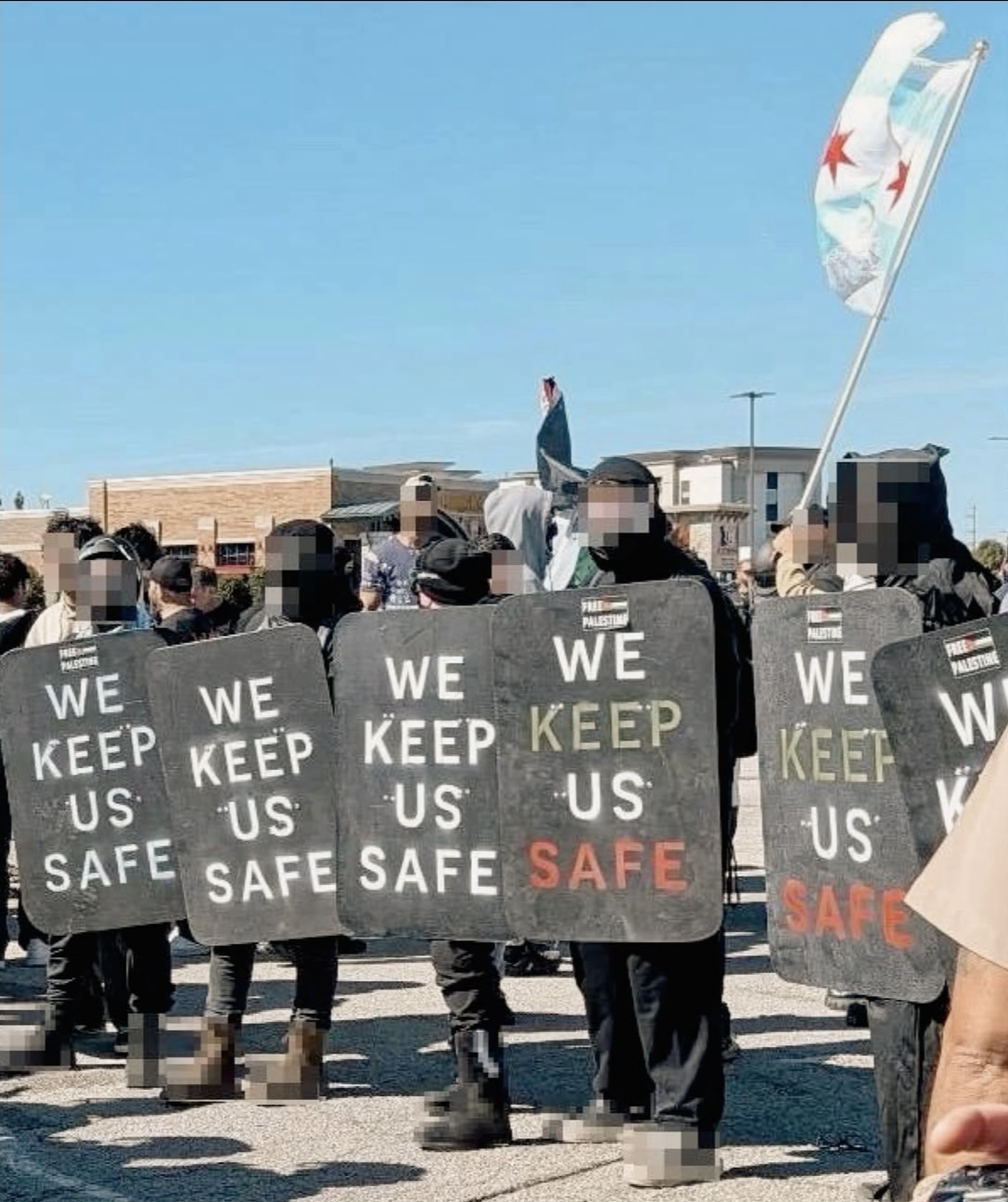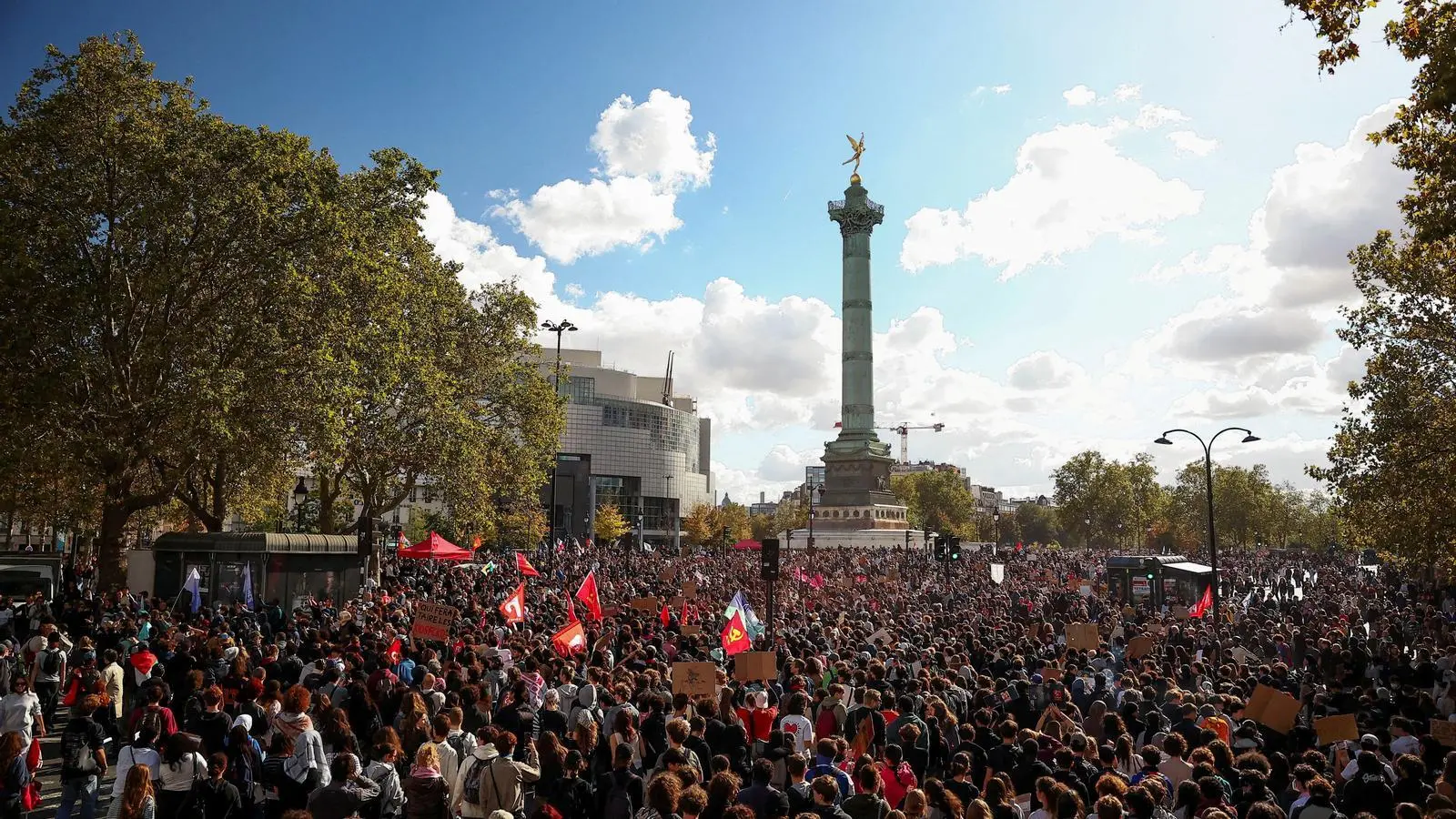
UNITED STATES – The Trump era has marked an abandonment of the political euphemisms and pretense that once concealed the character of State repression. The detention and deportation of minorities is openly celebrated, often without an effort to paint them as violent. Any protestor can be a “terrorist,” any organizing can be deemed a “conspiracy.” It is this abandonment of pretense that set the stage for Operation Metro Surge and the arrest of the Minnesota 15. In the wake of that arrest and the repression of activists in Prairieland and elsewhere, two opposite temptations face the anti-ICE movement. The first temptation is to believe that this represents a passing phase in the State’s strategy and that there will be a return to normal. The second is to seek essentially tactical solutions, to focus narrowly on what should be “done differently” without interrogating the underlying contradictions at the root of shortcomings within the activist milieu.
Challenging the first error requires an examination of the strategic logic of the State’s increasingly overt repression of migrants and disregard for constitutional protections. The deployment of masked federal agents in places of worship, hospitals, and courtrooms reflects the erosion of restrictions that previously mediated immigration enforcement. Similarly, the characterization of Renée Good as a “terrorist,” rather than even a perfunctory expression of regret over her death or a rhetorical commitment to protecting peaceful protesters, illustrates the State’s growing willingness to openly justify its violence. Attributing these developments exclusively to the political character of the second Trump government and its supporters would overlook the strategic considerations driving this transformation in state repression.
The Trump government consequently occupies a contradictory position. It commands an extensive and formidable apparatus of repression and operates with considerable insulation from legal consequences. Nevertheless, its inability to sustain long term occupation of Minneapolis at the required intensity demonstrates the material limitations of its repressive capacity. As with the defeat of U.S. Imperialism in Iran, the abandonment of conventional rules of engagement does not eliminate the logistical constraints governing the exercise of State power. The deepening crisis of imperialism undermines the capacity of the State to reconcile marginal popular demands with capitalist accumulation, while exposing the institutional limits of the drive toward fascistic rule. The State lacks sufficient personnel to sustain repression at the scale and intensity its political objectives demand. Even under the Biden government, the Department of Homeland Security confronted practical limits on the number of deportations it could carry out, while the prevailing political conditions offer little opportunity for the gradual institutional expansion necessary to overcome these limitations. Consequently, the Trump government is compelled to concentrate its available resources into intensified campaigns of repression, exercising maximum coercive force wherever its existing capacity permits.
Likewise, a comprehensive response to the resistance against ICE and the resurgent revolutionary movement in the United States more generally would entail sustained efforts. Lacking, at present, the capacity to stamp out the movement completely, a chief resource at the disposal of the State remains the bourgeois legal apparatus. The indictments against the 15 are absurd on their face. The absurdity is both deliberate and unavoidable. Bound by what remains of the conventions of bourgeois democratic governance, the agents of the State must cast the activists as “terrorists.” Just as they are compelled to use shock and awe tactics in the streets to compensate for institutional weakness, they are compelled to attempt shock and awe in the courts.
In most respects, however, the activist response failed to account for these conditions. The movement’s daily activities centered primarily on mobilizing witnesses to document acts of state repression and systematically recording the locations and movements of law enforcement personnel and vehicles. Although these efforts have practical value, their underlying strategy rests on the assumption that exposing abuses and preserving evidence will prompt intervention by bourgeois legal institutions or other mechanisms of accountability. Such an approach presupposes a degree of institutional responsiveness that the State’s increasingly overt disregard for legal constraints has rendered untenable.
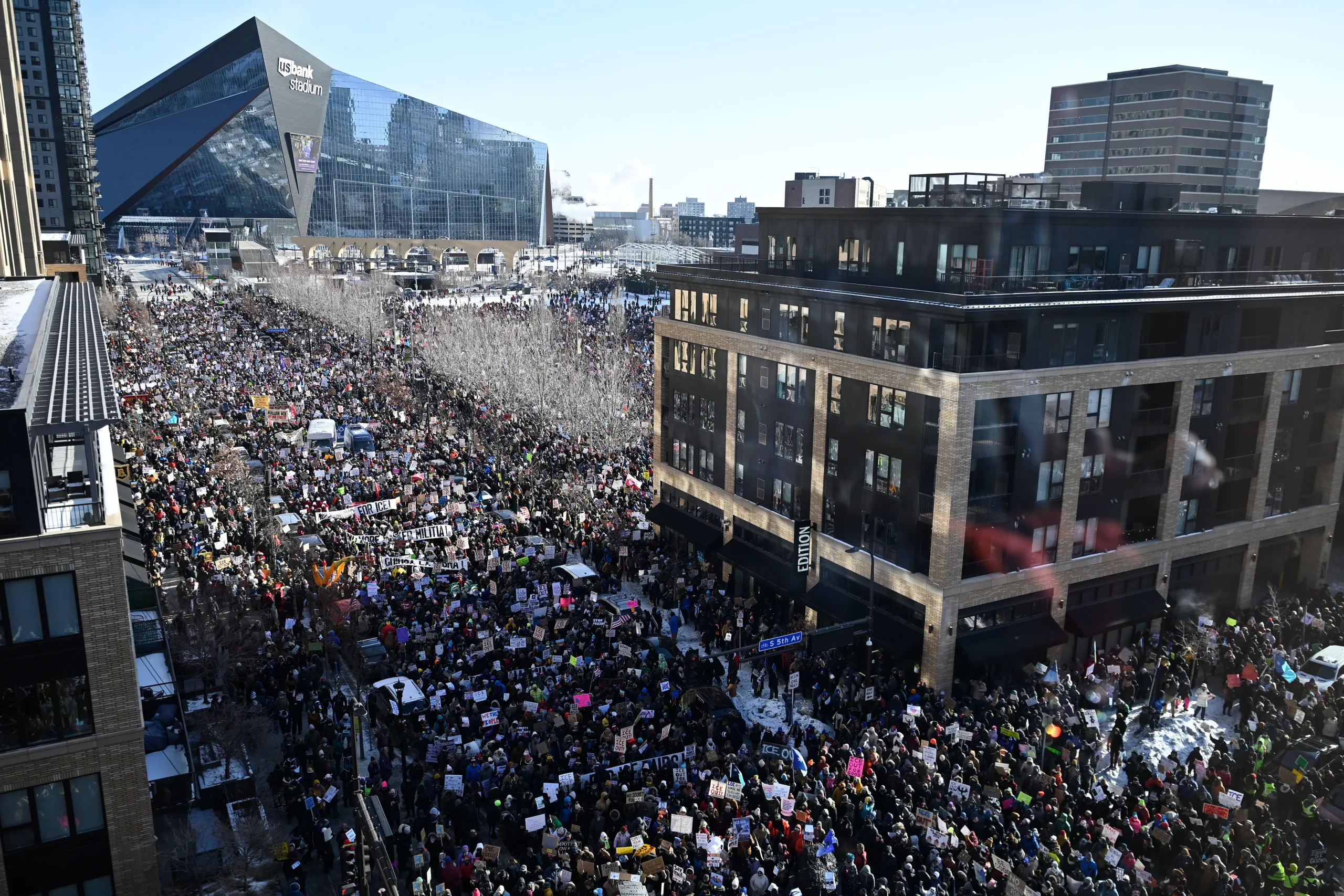
Expectations in the constitutional illusions of bourgeois democracy are fundamentally misplaced. Observation alone offers no meaningful protection against State violence. The murders of Renée Good and Alex Pretti demonstrate the, at times, lethal consequences of confronting armed agents of the State in defense of the masses. Conventional demonstrations face similar strategic limitations, as their numerical strength alone cannot compel a State increasingly willing to disregard public opposition in the Twin Cities and across the country. The repression of the Minnesota 15, despite their engagement in lawful observation and documentation, further demonstrates the inadequacy of relying on legal protections to restrain State violence. It was the energy, persistence, and sustained mobilization of the masses, supported by the dedication and organizational abilities of their leadership, which ultimately rendered Operation Metro Surge unsustainable. This achievement, however, does not negate the fundamental strategic errors underlying the movement’s approach to resistance.
In his speech at the Moscow Meeting of Communist and Workers’ Parties in November 1957, Chairman Mao said, “strategically we should despise all our enemies, but tactically we should take them all seriously.” The crisis of imperialism domestically and globally makes the imbalance more and more striking. Our aim, therefore, if we are to abolish ICE on the path to defeating U.S. Imperialism, must be to develop the capacity of the masses to act on an organized, scientific, democratic, and revolutionary mass basis.
It is a genuine triumph that communities in Minneapolis and elsewhere can respond immediately to each new crisis and can use years of accumulated knowledge to take to the streets and fight back against imperialist encroachment. It is a shocking failure that activists remain committed to faulty conceptions of what fighting back looks like, whether that means standing limply at the corner with signs or lining up to be arrested outside government buildings. Both are equally premised on an incorrect conception of the State.
Those among the revolutionary activists are correct in recognizing that the existing political order cannot be reformed into an instrument of liberation. The institutions of U.S. Imperialism cannot be gradually reconciled with the interests of the exploited and oppressed, they must be smashed in order for a New State to flourish. This process necessitates the development and organization of a revolutionary movement capable of contesting for the leadership of the masses. Such a movement must advance beyond the immediate demands of individual struggles and establish the political organization, strategic direction, and collective discipline necessary to confront the broader system of exploitation and repression. The courage and determination displayed in Minneapolis demonstrates the considerable strength that exists among the masses, but this strength must be tempered into a sustained, independent, and politically conscious force for revolution.
Every confrontation with State repression must contribute to the development of lasting revolutionary organization. The measure of a movement’s success cannot rest on the number of demonstrations organized, abuses documented, or temporary concessions secured. It must be determined by whether the masses emerge from each struggle more politically conscious, organizationally fortified, and increasingly capable of exercising collective power. The resistance to Operation Metro Surge demonstrated that organized militant communities can impose meaningful limits on the State’s repressive apparatus. The task ahead is to transform that capacity for resistance into a durable revolutionary movement with the political leadership, mass basis, and strategic clarity developed through practice necessary to challenge the foundations of the existing order.
The security of the oppressed cannot depend upon the restraint of their oppressors or the protection of institutions responsible for their subjugation. It must rest upon the organized strength, unity, and revolutionary consciousness of the masses themselves. Only through their collective struggle can the conditions for genuine liberation be established.
[Image Source: Over 50,000 demonstrators participate in the ICE OUT demonstration on January 23, 2026 in Minneapolis, Minnesota. Stephen Maturen]
The Editorial Board of The Masses has attached below the support sites for the Minnesota 15 and the Prairieland Defendants.