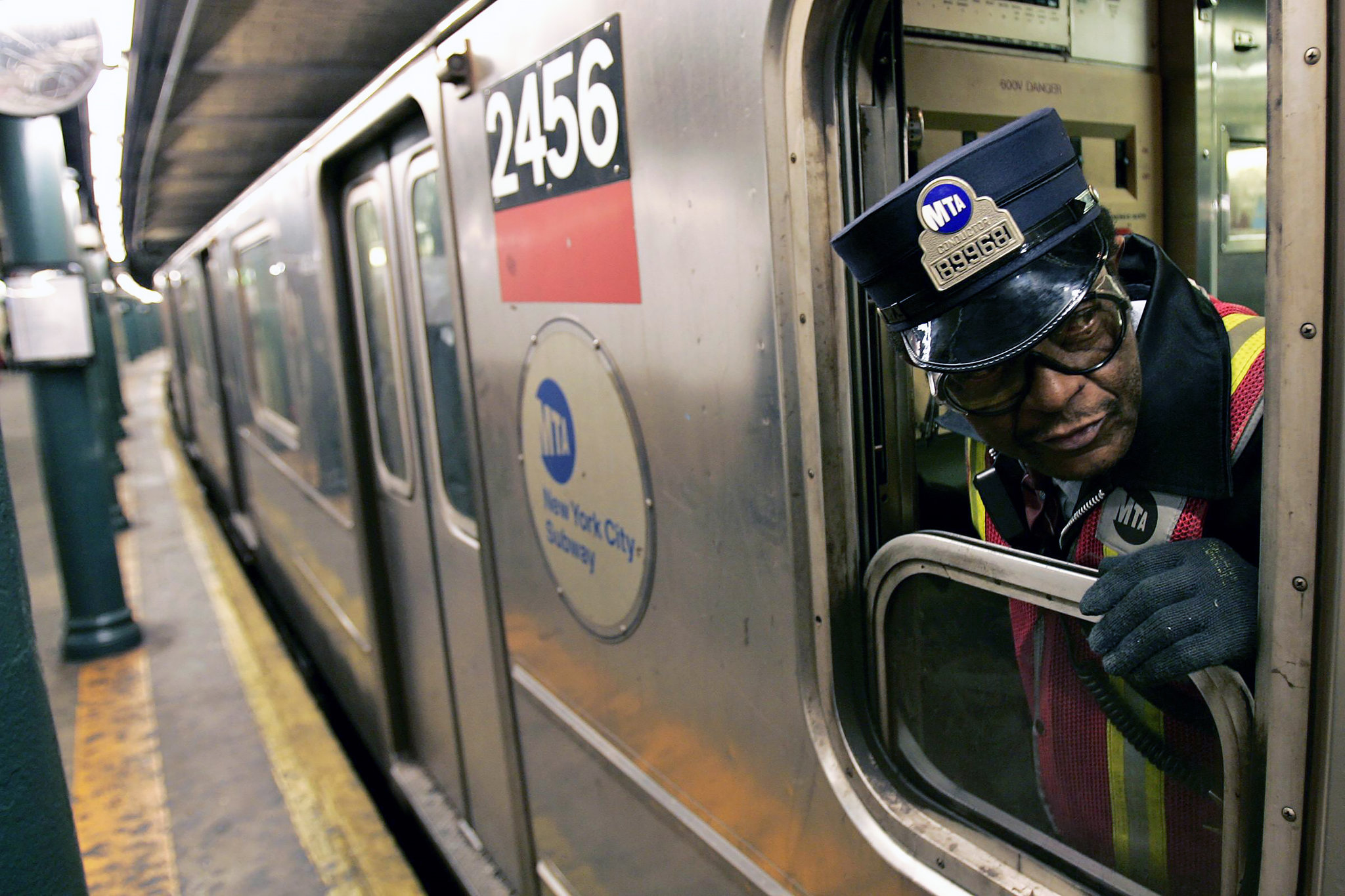
NEW YORK — On May 16th, the union contract for workers in the New York City Metropolitan Transport Authority (MTA) expired, leaving over 40,000 workers uncertain on their future conditions.
In negotiations for a new contract, the MTA is demanding a wage increase of only two percent, restrictions on overtime and sick leave, and increased healthcare costs for workers. The MTA claims that it cannot afford wage increases that would match the rate of inflation or increases in the cost of living, despite the fact that the services these workers provide are critical to keeping the “financial capital of the world” operating. These workers are continually being forced into worse living and working conditions as their wages fail to meet the rate of inflation. While trillions are generated for capitalists in the city, the MTA pits workers against each other by claiming that wage increases would mean higher transit fares.
Safety concerns are also central to the contract struggle. On May 30th, five workers were injured when a fire broke out on a maintenance vehicle in a Hudson River tunnel. In 2023, the Federal Transit Administration (FTA) revealed more than 260 near-miss incidents on the New York City subway in that year alone. Last year, the MTA’s safety assessment was rejected by the FTA, which stated the MTA’s assessment ‘fail[ed] to accurately reflect actual safety risks to workers.’
The deteriorating conditions for MTA workers leaves them seeking leadership in the struggle for revindications against the MTA. The bureaucracy of the establishment unions, or state unions, continually reveals themselves to be insufficient in leading the workers. In the state of New York, the “Taylor Law” (Public Employees Fair Employment Act) officially bans public employee unions from striking. In the aftermath of a strike in 2005, the Transport Workers Union (TWU) Local 100, which represents MTA workers, agreed to abide by the Taylor Law, relinquishing the right to strike in exchange for being allowed to automatically subtract dues from workers’ wages. Prior to this agreement, only 12 percent of workers had opted to pay dues, illustrating the low level of confidence towards the state union bureaucracy.
The same day that the MTA contract expired, 3,500 workers for the Long Island Railroad (LIRR) went on strike for the first time since 1994. The union bureaucracy and the state collaborated to end the strike after the third day; the details of the agreement were kept from workers as they were rushed back to work. The state union bureaucracy sold the agreement as a “historic win” despite the workers not knowing what the agreement consisted of. The agreement was revealed to consist of a maximum wage increase of 4.5 percent, failing to match the 4.6 percent rate of inflation in New York City.
Secret negotiations and no-strike clauses are typical features of the state unionist framework. While workers across the country are increasingly forced into poverty, the state unionist bureaucracy has found itself comfortable in the position of enforcing labor peace to keep the economy “running smoothly” for the benefit of the capitalists, with large salaries gathered from dues taken from workers in exchange for this “representation.”