
By Aeneas Leviné
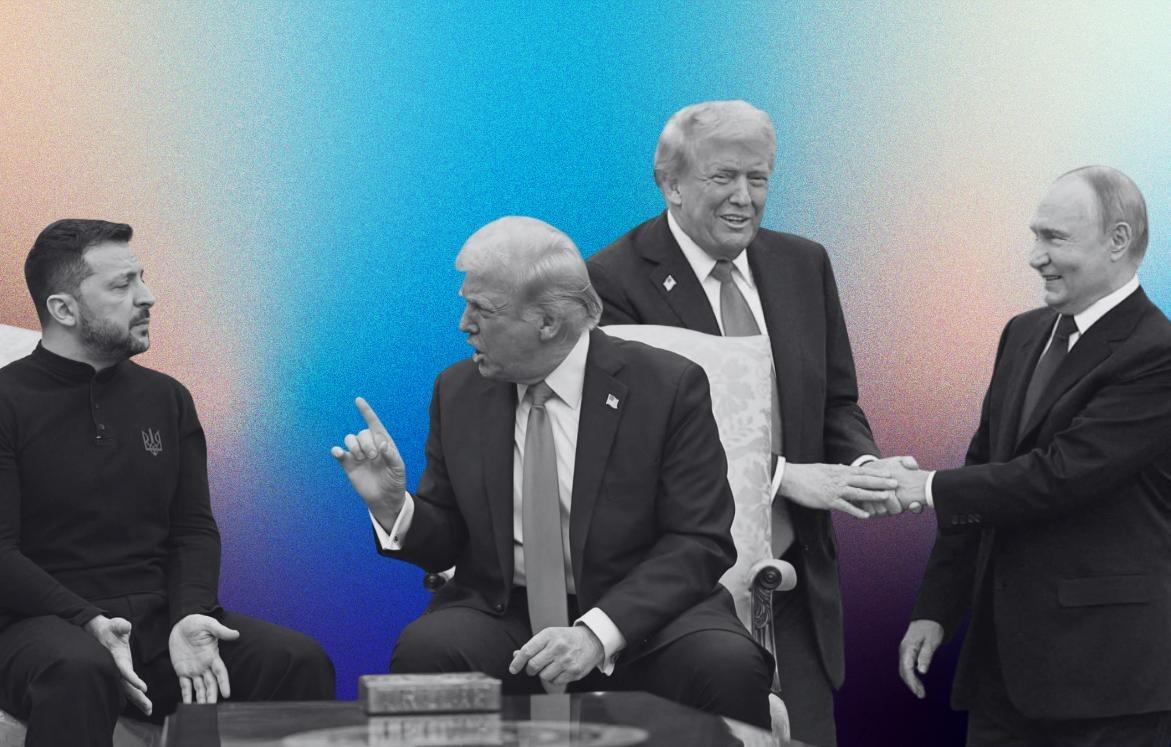
Relations between the U.S. and Ukraine are showing strain as the Trump administration pushes for a negotiated end to the proxy war with the Russian Federation, while Volodymyr Zelenskyy’s administration seeks security guarantees of up to 50-years to prevent any Russian expansion. The friction reflects a widening gap between Ukraine’s demand for durable security and the U.S.’s desire to reduce open-ended commitments, shift burdens onto European allies, and move strategic attention to the western hemisphere, such as in Venezuela.
Ukraine has been hit by a sequence of high-profile corruption investigations in the energy and logistics sectors, implicating senior officials connected to Zelenskyy. As for the U.S., the orientation away from supporting the war has led to a shortage of munitions for Ukraine, who in prior years had relied on a steady supply of armaments. The slowdown has been framed by the U.S. as leverage to force Europe to carry more of the burden and to pressure Ukraine toward a deal with Russia. Over the past year, these shortfalls have contributed to battlefield reversals, including Russia’s capture of the strategically important hub of Pokrovsk in early December, 2025.
Trump and his diplomats have said an agreement is close, while acknowledging that territorial issues are in serious contention. Zelenskyy has signaled broad openness to talks in any format, including a direct meeting with Putin. The political cost of accepting formal territorial losses remains high among European countries, although in Ukraine itself polling has found 38% of Ukrainians are willing to accept territorial concessions to ensure an end to the war.

Russia continues to project confidence in spite of mounting pressure to end the war. Russian strikes on Ukrainian infrastructure have continued, such as on the Zaporizhzhia nuclear power plant on January 2. The stakes of the war are clear. For Russia, it is an attempt to consolidate regional dominance and block further expansion of U.S. and European imperialism in its bordering countries. For Ukraine, it is a struggle against imperialist aggression by Russia, with the Zelenskyy government hoping to maintain U.S. imperialist dominance. For the U.S., it has become a managed confrontation to weaken a rival, discipline allies, and control the pace of escalation while limiting long-term costs. For Europe, the war has meant accelerated militarization, higher energy and monetary burdens and deeper reliance on the U.S. military complex, motivated by the risk that the war front will shift closer to Western European capitals.
At this moment, the likelihood of a short-term comprehensive peace deal is low. A narrower ceasefire is more plausible than a settlement that firmly resolves territory, reparations, accountability, and binding security guarantees. The tensions behind the war are unlikely to disappear, and it is likely that Ukrainians will pay the price.