By Renuka Gonsalves
On January 1, the Armed Forces of the Philippines conducted self-described “strike operations” in Barangay (Village) Cabacao, Province of Occidental Mindoro. These operations were claimed to be part of attacks on the New People’s Army (NPA), although the NPA had declared a ceasefire between December 25 through January 1.
These operations involved the dropping of at least 12 bombs, which murdered three Mangyan-Iraya (indigenous) children, as well as two university researchers. At this time, only the name of one researcher has been identified, that of Jerlyn Rose Doydora. This attack is one in a string of attacks in the province, with 16,733 victims recorded in January–November 2025.
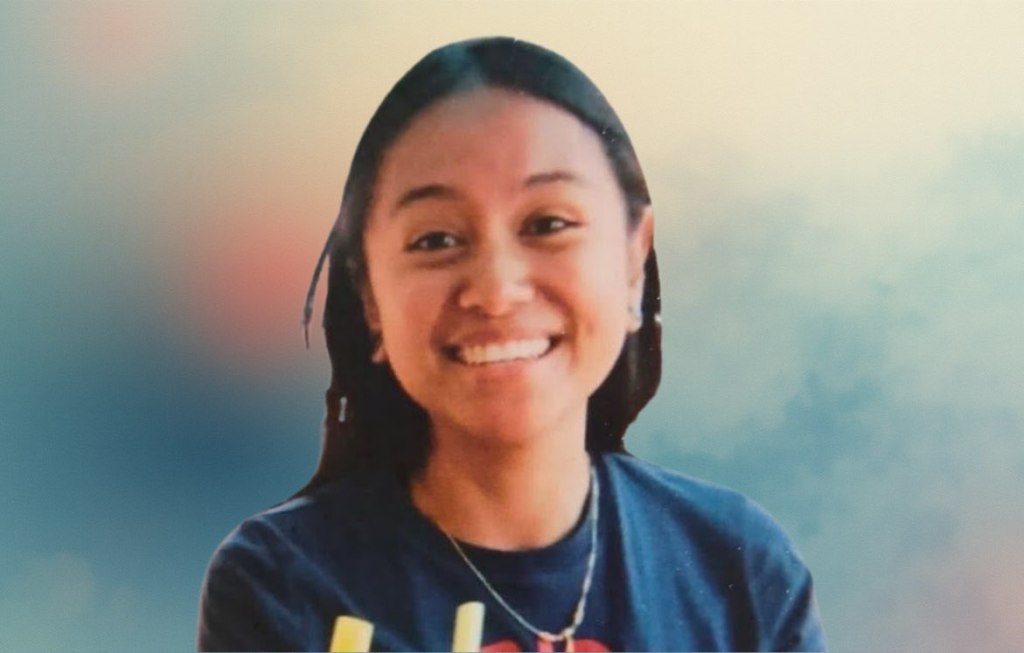
Additionally, Chantal Anicoche, a Filipino community leader from the US, who was present in the region during these bombings, is missing. Anicoche is a graduate of the University of Maryland, Baltimore County, and a community member and leader within the Filipino American Student Association there. After graduation, she continued leading through policy advocacy in the Philippine Human Rights Act campaign. It was this commitment to human and indigenous rights that led her to decide to volunteer in the Cabacao area at the time of the operations.
Organizations like BAYAN USA have raised slogans such as “Surface Chantal Anicoche!” and “Justice for Jerlyn Doydora!” in their statements. The Philippine government continues to block independent fact-finding teams from investigating the aftermath of the “strike operations.” The January 1 incident is only one in a string of incidents over the last two years, with progressive politicians, indigenous people, and farmers alike facing abduction and murder by the Philippine Armed Forces.
It is clear that the Armed Forces and the State are blocking anyone from learning the whereabouts of Chantal Anicoche, and her friends, family and community in the US have been completely left in the dark. Given the Philippine Armed Forces’ long history of human rights abuses, it is highly likely that the blockade on information is to prevent Anicoche’s location and condition from being known. If this information were to get out, it is likely that the public backlash would be severe.
 The Masses